Beauty Brand Strategy in 2026: Why What You Look Like Is Inseparable From What You Sell

The beauty industry is one of the most visually saturated on earth.
Your prospective clients and customers are swimming in options, and they are making judgment calls about your brand in under three seconds; before they've read a word of your copy, before they've seen your stellar ingredient list, before they have any idea what makes you different and better.

I've taken notice that the businesses growing in this environment have something in common: they have made deliberate choices. Every touchpoint consistently communicates who they serve, how they serve them, and what they stand for. The businesses struggling have usually made those choices once, informally, and then let the brand drift as the business evolved.

Let's talk about what that costs you, and what you can do about it.

Service-based businesses: Your methodology is your brand.

The most significant shift in beauty services and aesthetics is the move away from one-off treatment bookings to protocol-based improvement journeys. Clients are not just booking a facial anymore. They are investing in a result. And when they are evaluating which practice to trust with that investment, they are looking for evidence that you have a methodology and an ethos, not just a menu of disconnected treatments.

Think about what your website is communicating right now. If a new client lands on your services page and sees a list of treatments with descriptions and prices, you are presenting yourself as a service provider. If they land on a page that explains your clinical approach to skin health, walks them through what an ongoing protocol looks like and why it works that way, and then positions each treatments as a singular component of a larger strategy, you are presenting yourself as an expert. Those two positions command completely different price points!

The conversion architecture for this positioning is specific. Your homepage should lead with an outcome-based positioning statement rather than a service list. Your practitioner profiles should be expertise narratives, the story of why you practice the way you do and what clients consistently experience as a result. Your service pages should walk the client through the journey, not just describe the treatment. And your booking flow should set clear expectations for what happens when they reach out, because ambiguity about next steps is where you lose the people who were almost ready to commit.
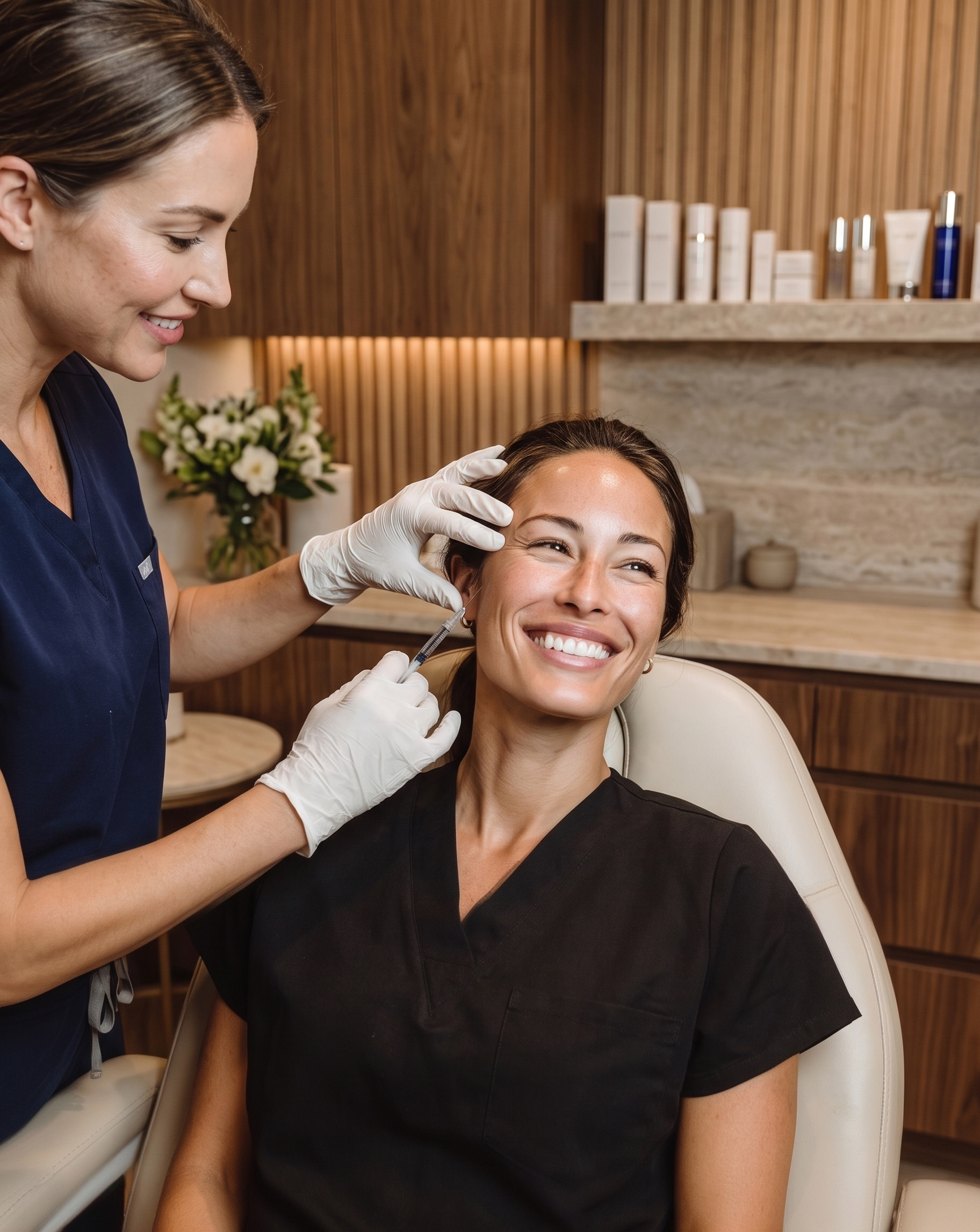
If a new client lands on your services page and sees a list of treatments with descriptions and prices, you are presenting yourself as a service provider. If they land on a page that explains your clinical approach to skin health and walks them through a treatment protocol, you are presenting yourself as an expert.

We attack this positioning with a specific system. Your homepage should lead with an outcome-based positioning statement rather than a service list. Your practitioner profiles should be expertise narratives, the story of why you practice the way you do and what clients consistently experience as a result. Your service pages should walk the client through the journey, not just describe single treatments. And finally, your booking flow should set clear expectations for what happens when they reach out.

Product brands: Shelf presence is won before anyone reads a word.

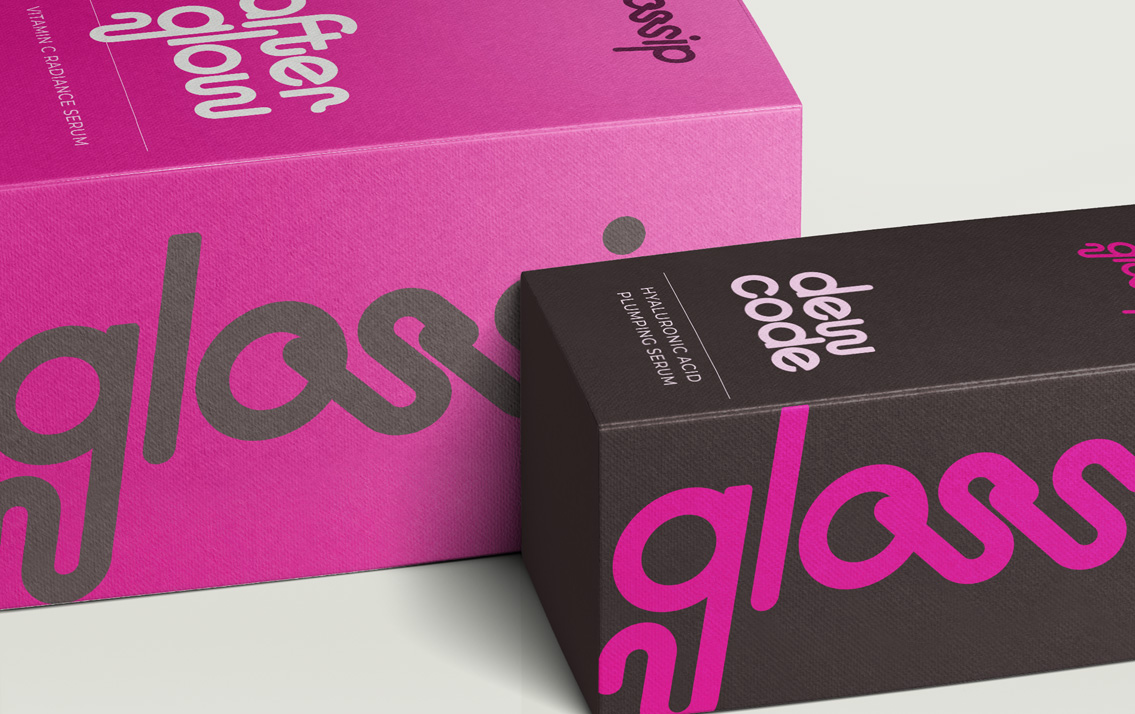
I want you to picture the skincare shelf at Sephora. You are walking past it because you're shopping for fragrances today. Maybe you're window shopping, but you aren't in buying mode. You are just moving through the space. Which product makes you stop? Which one makes you pick it up? That reach-for or pass-by moment happens in under three seconds and is made almost entirely on packaging and label design. Ingredient list, price, brand story on the back have nothing to do with why you picked that product. The visual design does the work before any other marketing gets a chance.

A tempting solution for a bootstrapped startup is to DIY your packaging design. It will certainly get your product made and ready to sell; however, it rarely gets your product chosen. In a retail environment where the visual decision happens before the conscious one, that distinction is the difference between a brand that grows and moves and one that sits.

Another trap I see emerging beauty brands fall into constantly: they find a packaging aesthetic they love, usually something trending on Pinterest or seen on a brand they admire, and they build theirs around it. The result looks current and cute for a little while but it looks like everything else out there and grows old quickly. Retail buyers notice this faster than you think. Especially those with the most disposable income; they're generally a little older and a lot wiser! They know a trend isn't an identity and doesn't produce the results they're willing to pay premium dollars for.

If any of this resonates, let's talk. Book a discovery call and we will look at your brand together with fresh eyes and a specific plan for growth.

Andrea
Founder, True & Ash Creative